
Year:
2024->
Scope:
Status:
12 000m2
Concept
Location:
Jeju Island, South Korea
Client:
Private
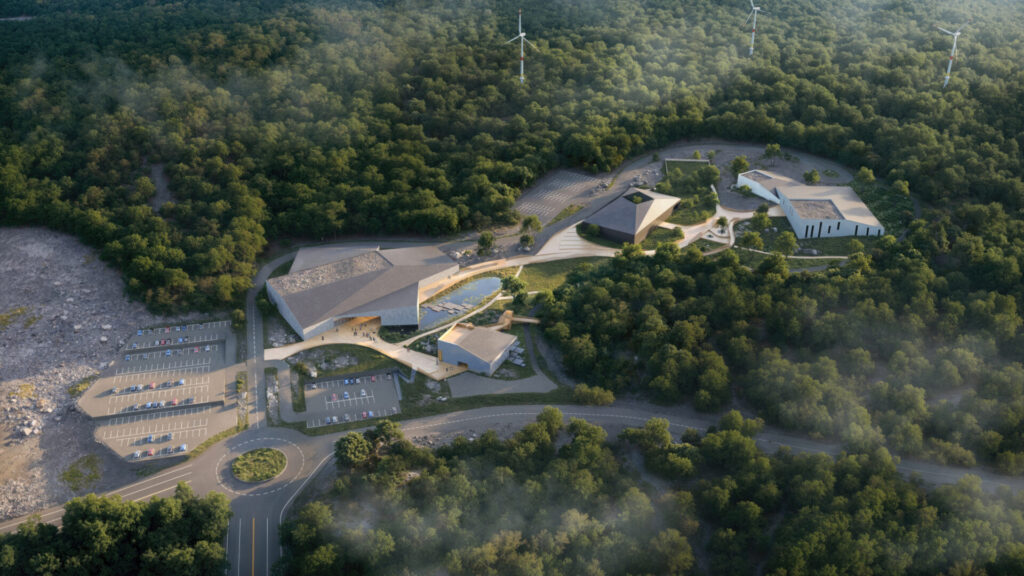
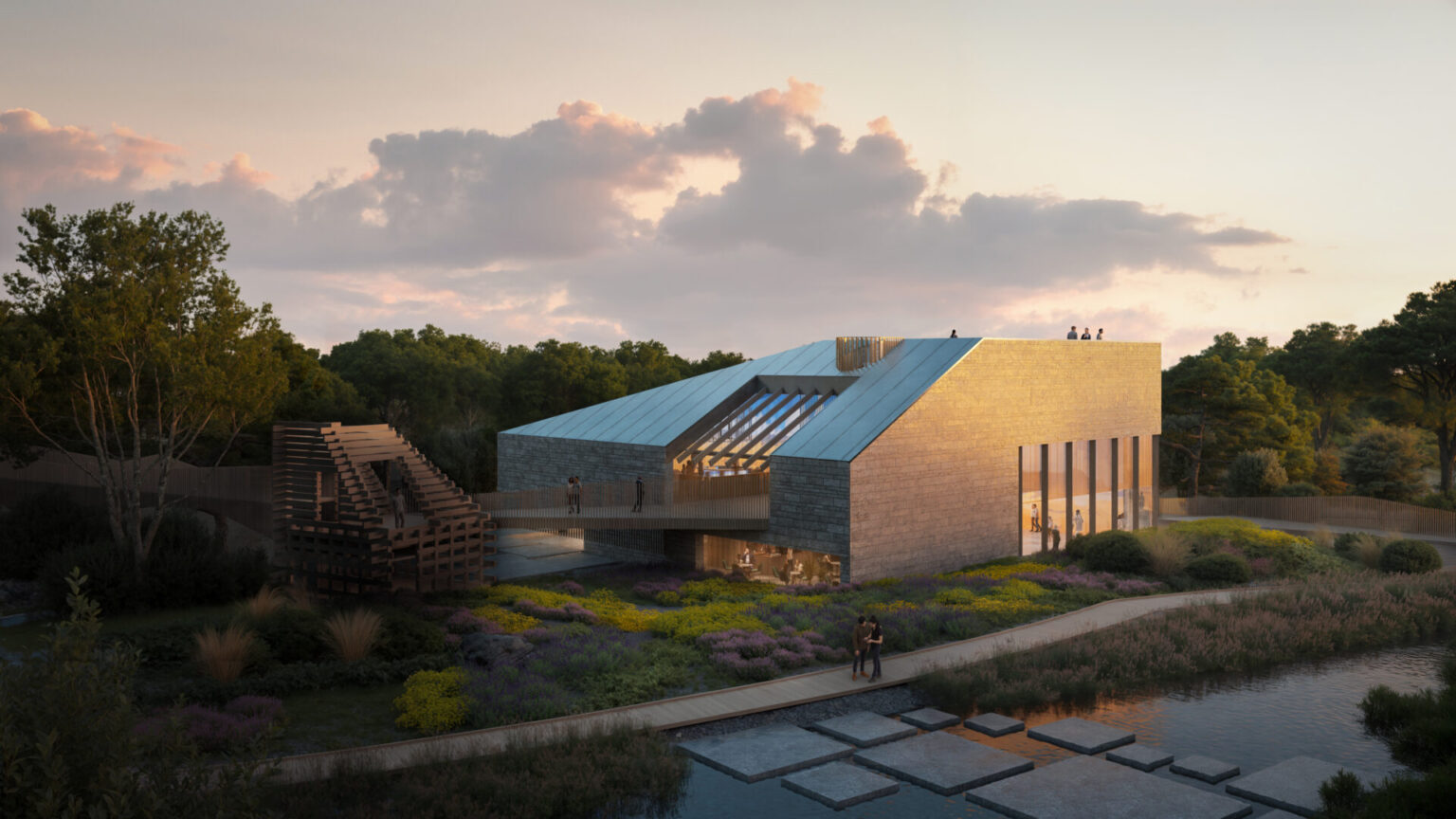
The project is located within the distinctive landscape of Jeju Island, known for its volcanic geology and unique Gotjawal Forest ecosystem. Rather than treating the museum as a standalone object, the concept integrates the building into a wider journey through gardens, pathways and the surrounding landscape.
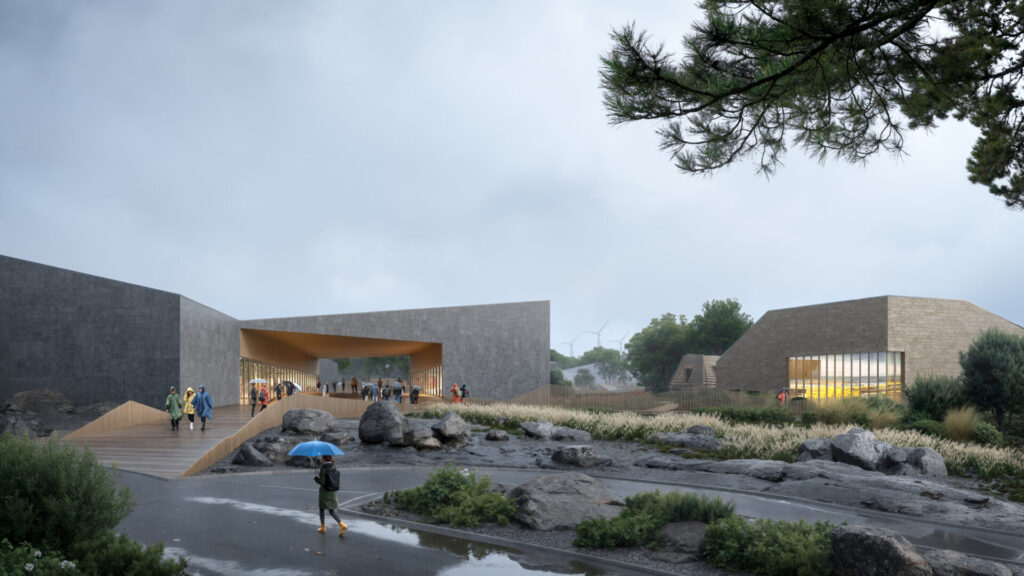
Although the museum is conceived as an immersive and largely inward-focused experience, its architecture is closely informed by the site. The 12,000 m² building volume is divided into smaller elements and shifting geometries that reduce the perceived scale of the project while creating sheltered outdoor spaces, courtyards and entrances connected to the landscape.
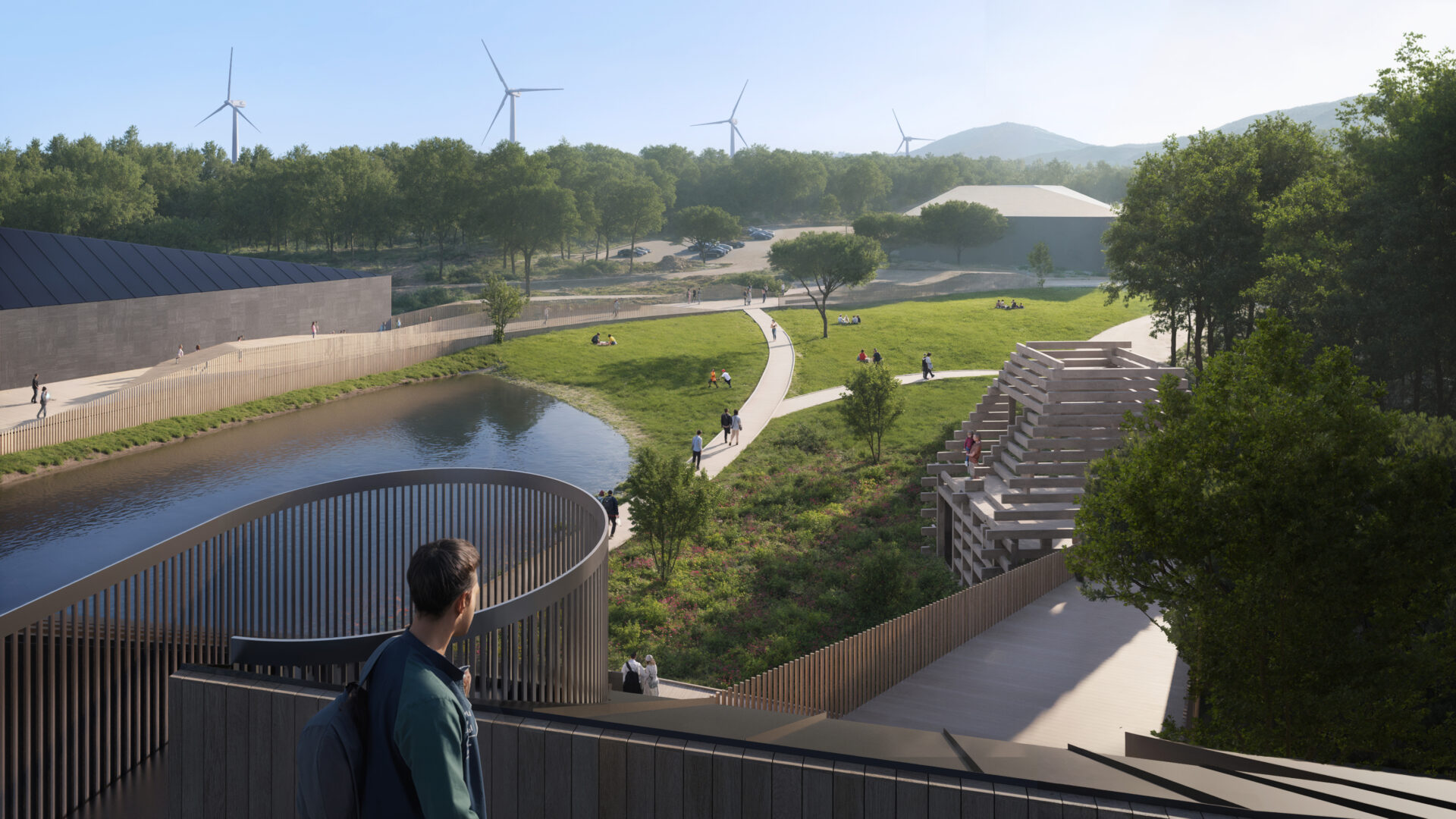
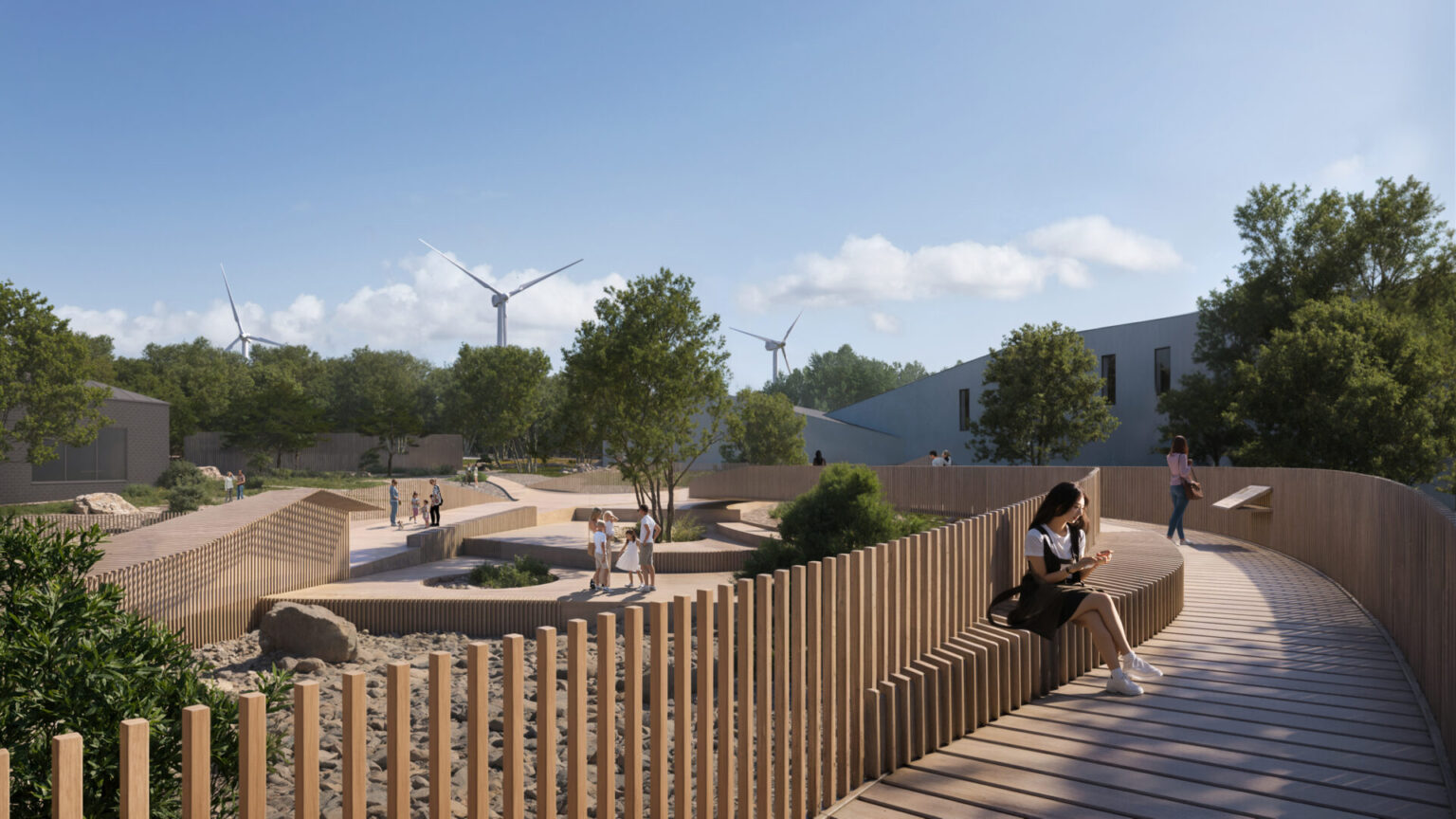
The architectural concept is based on a series of contrasts: natural and artificial, light and dark, open and enclosed. While the exhibition spaces focus on immersive digital experiences, the surrounding gardens, pathways and forest extend the visitor experience beyond the museum building. Together, architecture and landscape create a sequence of indoor and outdoor encounters.
The design responds to the environmental conditions of Jeju Island, including its subtropical climate, strong winds, seasonal rainfall, volcanic terrain and existing topography. The aim is to minimise changes to the natural landscape while creating a cultural destination rooted in the specific character of the site.
Visitors arrive through the landscape before entering the museum experience. Gardens, forest paths, outdoor gathering spaces and exhibition environments encourage exploration between architecture, nature and digital art throughout the site.
Studio Puisto
head office
Mariankatu 7 A 4
00170
Helsinki
Finland
Studio Puisto Japan
with artless Inc.
5-27-8 jingumae
Shibuya-ku
Tokyo 150-0001
Japan
© 2026 Studio Puisto